End of tenancy cleaning cost: what to expect
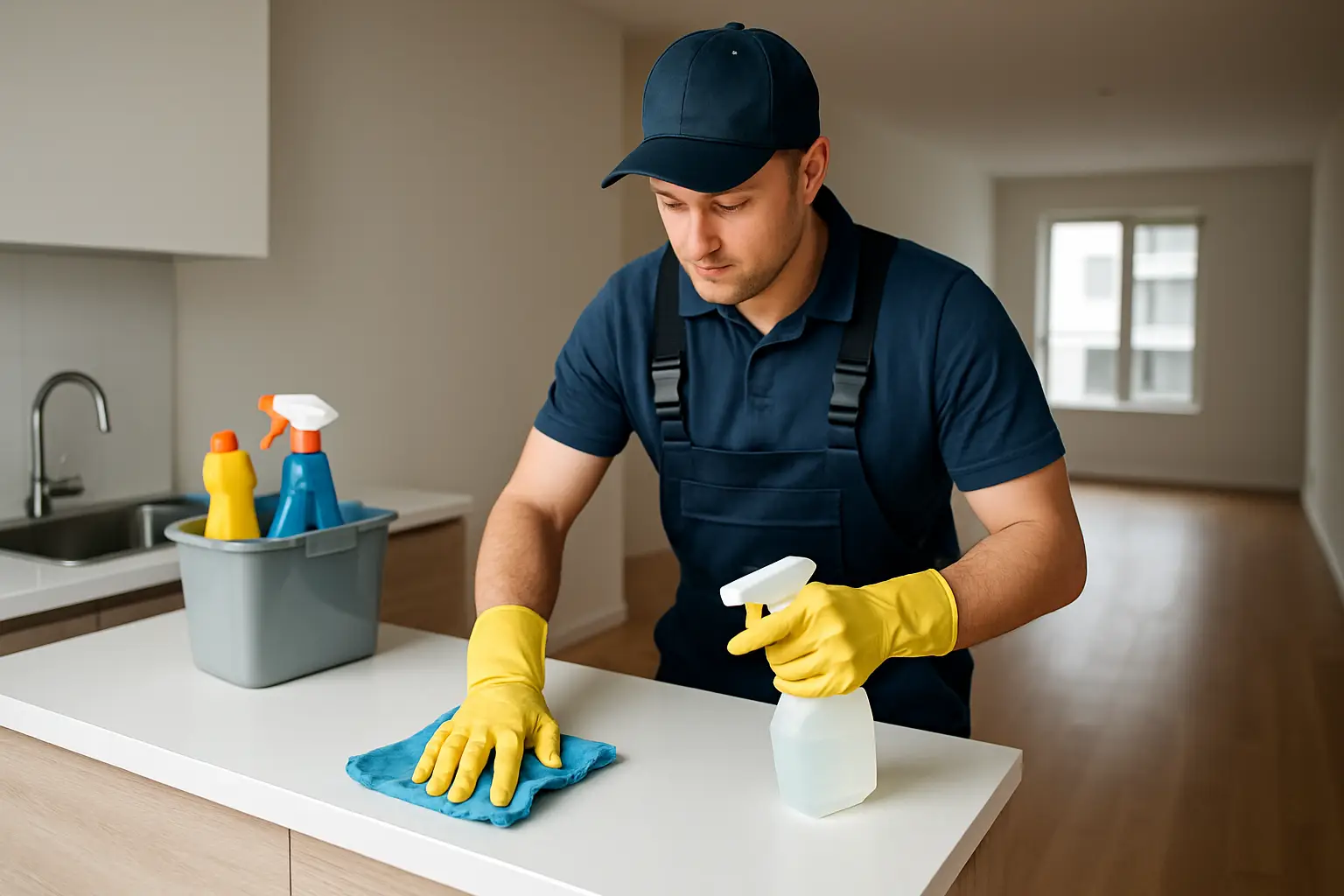
You can be the tidiest person in Hartlepool and still get that sinking feeling when you hand the keys back: will the landlord or letting agent find something to charge for? End of tenancy cleaning is one of the most common reasons deposits get chipped away - not always because a home is filthy, but because it doesn’t meet the standard set out in the inventory and check-out report.
So, how much does end of tenancy cleaning cost, and what are you actually paying for? The honest answer is: it depends on the size of the property and what’s needed to return it to a move-in standard. Below is a clear, realistic view of typical costs, what changes the price, and how to spend wisely so you’re not paying twice.
How much does end of tenancy cleaning cost in the UK?
For most homes, end of tenancy cleaning is priced as a one-off deep clean based on property size, condition, and any add-ons like oven or carpet cleaning. Be aware that not all cleaning services offer oven cleans, as this is generally classed as a specialist service. Always ask the cleaner when receiving a quote.
As a rough guide, many cleaners and local cleaning teams work within ranges like these:- Studio or 1-bedroom flat: roughly £120 to £200
- 2-bedroom property: roughly £160 to £260
- 3-bedroom property: roughly £220 to £350
- 4-bedroom property and larger: roughly £300 to £500+
Those figures can move either way. A well-kept two-bed with no pets and a reasonably clean oven might sit at the lower end. A similar two-bed that’s had heavy cooking, limescale build-up, and a neglected bathroom can quickly climb.
If you’re comparing quotes, be careful with the cheapest “from” prices. End of tenancy cleaning isn’t a quick spruce-up. It’s detailed work that usually includes inside cupboards, skirting boards, door frames, switches, radiators, and the areas that don’t get touched in a regular weekly clean.
What’s usually included in an end of tenancy clean?
Most end of tenancy cleans aim for a consistent standard across the whole property, not just the obvious bits. That means attention to the places check-out clerks love to photograph.
In general, you’re paying for time and thoroughness: bathrooms descaled, kitchen grease lifted, and dust removed from edges, ledges, and fittings. Bedrooms and living areas are normally cleaned top to bottom, including surfaces, skirting boards, internal doors, and mirrors.
Kitchens and bathrooms tend to take the longest. Kitchens because of built-up grease and crumbs in cupboards and around appliances. Bathrooms because limescale and soap scum can take patience - especially around taps, shower screens, grout, and toilet bases.
What’s included can vary, so it’s worth asking for clarity rather than assuming. If your tenancy agreement mentions a professional standard, you want to be sure the quote matches what a check-out inspection will look for.
The biggest factors that change the price
Two properties can look similar on paper and cost very different amounts to clean. Here’s why.
Size and layout
A three-bedroom house with one bathroom is usually less work than a two-bedroom with two bathrooms and a big kitchen-diner. More rooms, more surfaces, and more fixtures mean more time. Stairs, extra windows, and awkward layouts can also add to the hours needed.
Condition and “real life” build-up
End of tenancy cleaning isn’t about perfection - it’s about returning the home to a fair, lettable condition. But time is time. If the property has heavy limescale, thick grease, pet hair in corners, or mould around silicone, it will take longer and may require stronger products and more repeat passes.
A good way to think of it is this: you’re not paying for judgement, you’re paying for elbow grease.
Add-ons: oven, carpets, upholstery, and appliances
This is where quotes can swing.
An oven clean is one of the most common extras because it’s also one of the most common points of dispute at check-out. If it’s not included as standard, expect roughly £40 to £80 depending on the oven size and condition.
Carpet cleaning (often hot water extraction) is usually priced by room or by square metre, commonly landing around £25 to £50 per room, with larger areas costing more.
If you have a fridge/freezer that needs a deep clean inside, or a washing machine with a drawer full of residue, those are often priced as add-ons too.
Furnished vs unfurnished
Furnished properties take longer because there’s more to clean around and more items to wipe, dust, and check. Think bed frames, wardrobes, sofas, dining chairs, and the little marks that hide behind them.
Access, parking, and timing
If cleaners can’t park nearby or need to collect keys from an agent at specific times, that can affect scheduling. Likewise, short-notice bookings often cost more simply because they require rearranging diaries.
If you can, book as soon as your moving date is confirmed. It usually gives you the best choice of slots and avoids last-minute stress.
Why end of tenancy cleaning can feel expensive (but saves money)
It’s tempting to look at a quote and think, “I’ll just do it myself.” Sometimes that works brilliantly - especially if you’re organised, have the right products, and can give it a full day.
But end of tenancy cleaning is often expensive because it’s labour-heavy. It’s not one cleaner for two hours. It’s commonly a small team for several hours, working through a checklist that matches how inventory clerks inspect.
The other reason it can save money is simple: deposit deductions are usually more painful than the cleaning quote. If a landlord deducts for cleaning, you might be charged the agent’s preferred contractor rate, plus admin, and you’ve lost the chance to control quality.
Spending the right amount once is usually better than paying for a quick clean, failing check-out, and paying again.
How to get an accurate quote (without back-and-forth)
If you want a quote that doesn’t change on the day, give as much detail as you can up front.
Tell the cleaner the property size, whether it’s furnished, and how many bathrooms there are. Mention any known issues like limescale, mould spots, heavy grease, or pet hair. If you need carpets or the oven done, say so clearly.
It also helps to share your check-out date and whether the property will be empty. Empty homes are quicker to clean thoroughly because every surface is accessible, and there’s no need to work around boxes and furniture.
How to keep end of tenancy cleaning costs sensible
You don’t have to spend a fortune to get a great result, but you do need to be realistic about what makes a difference.
If you’re still living in the property, small habits in the final week can reduce the time needed: wiping down kitchen cupboard fronts, running a descaler through taps and shower heads, and emptying cupboards so they can be cleaned properly.
If you’re hiring cleaners, the best value usually comes from choosing a team that is clear about what’s included and will work to a check-out standard, not just a general “deep clean”. Cheap quotes can be fine, but only if they’re genuinely covering the detail - inside cupboards, edges, skirting boards, and the grime lines around fittings.
And if your budget is tight, prioritise the areas that trigger deductions: the oven, the bathroom (especially limescale), and the kitchen grease around the hob, extractor, and splashback.
Local perspective: what people in Hartlepool often need
Locally, we see a lot of the same pinch points. Hard water marks in bathrooms can build up quietly over a tenancy, and kitchens often need extra attention around the cooker and the tiles behind it. Another common one is dust and fluff collecting behind radiators and along skirting boards - not obvious day-to-day, but very obvious when someone does a slow walk-through with a clipboard.
If you want a friendly, reliable end of tenancy clean that’s planned around your moving day - and handled with the same respect we’d want in our own homes - Shiny Bee’s Cleaning can help. You can find details and get in touch via https://www.shinybees.co.uk.
A quick word on receipts and “professional cleaning” clauses
Some tenancy agreements ask for professional cleaning and a receipt. Others don’t - and in the UK, landlords and agents generally can’t insist on professional cleaning as a blanket rule if you can return the property to the same standard.
In real life, though, a receipt can reduce arguments. If you’ve had the place cleaned to a proper check-out standard and you have proof, it’s often easier to resolve disputes quickly. The best approach is to focus on the condition: clean, empty, and ready for the next tenant.
If you’re unsure, check what your inventory says at the start of the tenancy. That document is what you’re really being measured against.
The simplest way to think about price
When people ask how much does end of tenancy cleaning cost, what they usually mean is: “How do I avoid surprises?”
A fair price is one that matches the time required to get your home back to a move-in standard, including the fiddly bits that are easy to miss when you’re tired and packing. If you plan ahead, share honest details, and focus on the areas that matter most at check-out, you’ll spend less energy worrying - and more time getting settled into your next place.